
「全人教育」を育む実践
~玉川学園 · 全人教育 · 労作農園~
玉川の「労作」自主研究が、全人教育を実践する
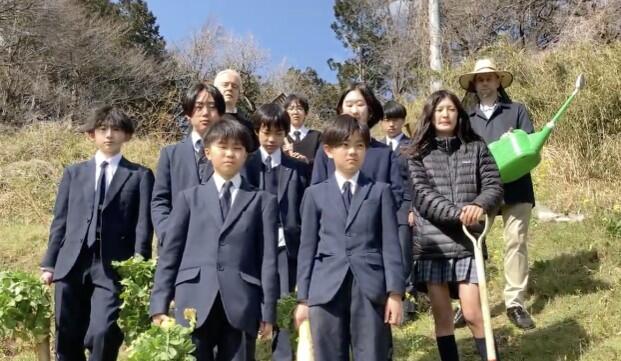
画面に向き合う時間が増え、机上の学びやテストの点数が重視されがちな現代において、私たちはどのようにして子どもたちの「人間全体」を育んでいけばよいのでしょうか。
玉川学園が大切にしてきた教育理念のひとつが「全人教育」です。その理念を実践する重要な取り組みが、「労作(Rosaku)」。自ら手を動かし、実際に働き、ものを創り出す経験を通じて学ぶことを大切にしています。
その精神を現代の生徒たちが体験できる活動のひとつが、ホワイト先生とヒンチー先生が担当する「Rosaku Allotment(労作農園)」自主研究(Jiyukenkyu)です。
生徒たちは教室を飛び出し、土を耕し、種をまき、作物を育てる経験を通じて、知識だけでは得られない学びを積み重ねていきます。
1.自ら学び、自ら創る「労作」
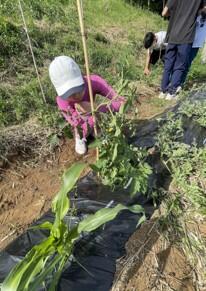 全人教育では、知識を受け取るだけでなく、自ら考え、行動し、経験から学ぶことを重視します。労作農園は、まさにその理念を実践する場です。
●土地を整える:土壌を整備し、作物を育てるための環境づくりを学びます。
●栽培を体験する:種まきから日々の管理まで、トマトをはじめとする季節の作物を自分たちの手で育てます。
●伝統を受け継ぐ:実際の作業を通じて、自立や創造を大切にする玉川の教育精神に触れます。
2.「健」—心と体の健やかな成長
●体を動かす:土を耕し、水をまき、植物を世話する作業を通じて、自然の中で体を動かします。
●気持ちを整える:緑や土に触れながら作業することは、日常の学習環境から離れ、気持ちを切り替える機会になります。
●食への理解を深める:自分たちで野菜を育てることで、食べ物ができるまでの時間や手間を実感できます。
3.「善」と「聖」—責任感と生命への敬意
 農園での学びは、植物の育て方だけにとどまりません。生き物を育てるには、継続的な世話と忍耐、そして自分の行動に責任を持つ姿勢が必要です。
●忍耐力と責任感:毎日の世話を通じて、継続して取り組むことの大切さを学びます。
●自然への敬意:小さな種が成長する過程を観察し、自然の仕組みへの関心を深めます。
●生命への感謝:作物を育てる経験を通じて、食べ物や自然の恵みを支える営みに目を向けます。
単なる「土いじり」を超えた全人教育
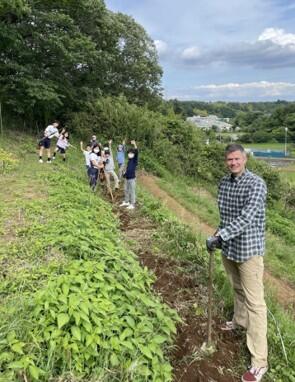
「Rosaku Allotment(労作農園)」は、単なる屋外活動ではありません。頭で考え、手を動かし、心で感じるという、全人教育の理念を実際の経験につなげる学びの場です。
ホワイト先生とヒンチー先生の指導のもと、生徒たちは自ら考え、協力し、継続して取り組むことの大切さを学びます。
土に触れ、植物を育てるという身近な経験を通じて、玉川学園が大切にしてきた教育の精神は、次の世代へとつながっていきます。
学びは、ときに教室を出て、土に触れ、ひと粒の種を植えることから始まります。
Cultivating the Whole Person
~TAMAGAWA GAKUEN · ZENJIN EDUCATION · ROSAKU ALLOTMENT~
How Tamagawa’s Rosaku Allotment Brings Zenjin Education to Life
In a modern world increasingly dominated by screens, test scores, and sedentary classroom learning, how do we educate the whole child?
At Tamagawa Gakuen, the answer has been rooted in the soil for over a century. Central to Tamagawa’s founding philosophy of Zenjin Education (Whole-Person Education) is Rosaku: learning through purposeful work, practical experience, and the creation of something meaningful.
One contemporary expression of this philosophy is the Rosaku Allotment Jiyukenkyu (Independent Research), guided by Mr. White and Mr. Hinchey. Through this hands-on outdoor program, students transform plots of earth into productive gardens while developing practical skills, independence, and an appreciation for the natural world.
Here is how the Rosaku Allotment brings the values of Zenjin Education to life.
1.Hands-On Action: Learning Through Rosaku
Zenjin Education encourages students to move beyond passive memorization and engage in self-directed, experiential learning. The Rosaku Allotment puts this philosophy into practice.●Transforming the land: Students begin with a plot of soil and learn how to prepare, manage, and develop it into a productive garden.
●Learning through cultivation: From sowing seeds to caring for growing plants, students gain practical experience with tomatoes and other seasonal crops.
●Connecting with tradition: Through their work, students experience Tamagawa’s longstanding commitment to self-reliance, purposeful effort, and practical creation.
2.Nurturing Ken: Health and Well-being
●Physical movement: Digging, planting, watering, and maintaining the garden provide meaningful outdoor activity.
●Time to recharge: Working in a natural environment offers a change of pace from classroom routines and opportunities to refocus.
●Appreciation for food: Growing their own produce helps students understand the time, care, and resources involved in producing food.
3.Fostering Moral Growth and Respect for Life
The Rosaku Allotment offers lessons that extend far beyond gardening. Caring for living things requires consistency, patience, and an understanding that meaningful results take time.●Patience and responsibility: Students learn that plants need regular attention and that their actions affect the success of the garden.
●Respect for nature: Observing a seed develop into a productive plant encourages curiosity about natural processes and appreciation for the environment.
●Gratitude for life: Seeing how food is grown can deepen students' understanding of the resources and effort behind everyday meals.
More Than Just Gardening
The Rosaku Allotment is far more than an outdoor break in the school day. It is an opportunity for students to put Zenjin Education into practice by engaging their heads, hands, and hearts.
Under the guidance of Mr. White and Mr. Hinchey, students take initiative, develop practical skills, and discover the rewards of sustained effort.
Through the simple but meaningful act of cultivating the land, they connect with Tamagawa’s educational philosophy in a way that is active, personal, and memorable.
Sometimes, the most meaningful learning begins by stepping outside, picking up a tool, and planting a seed.
シェアする


関連リンク
